
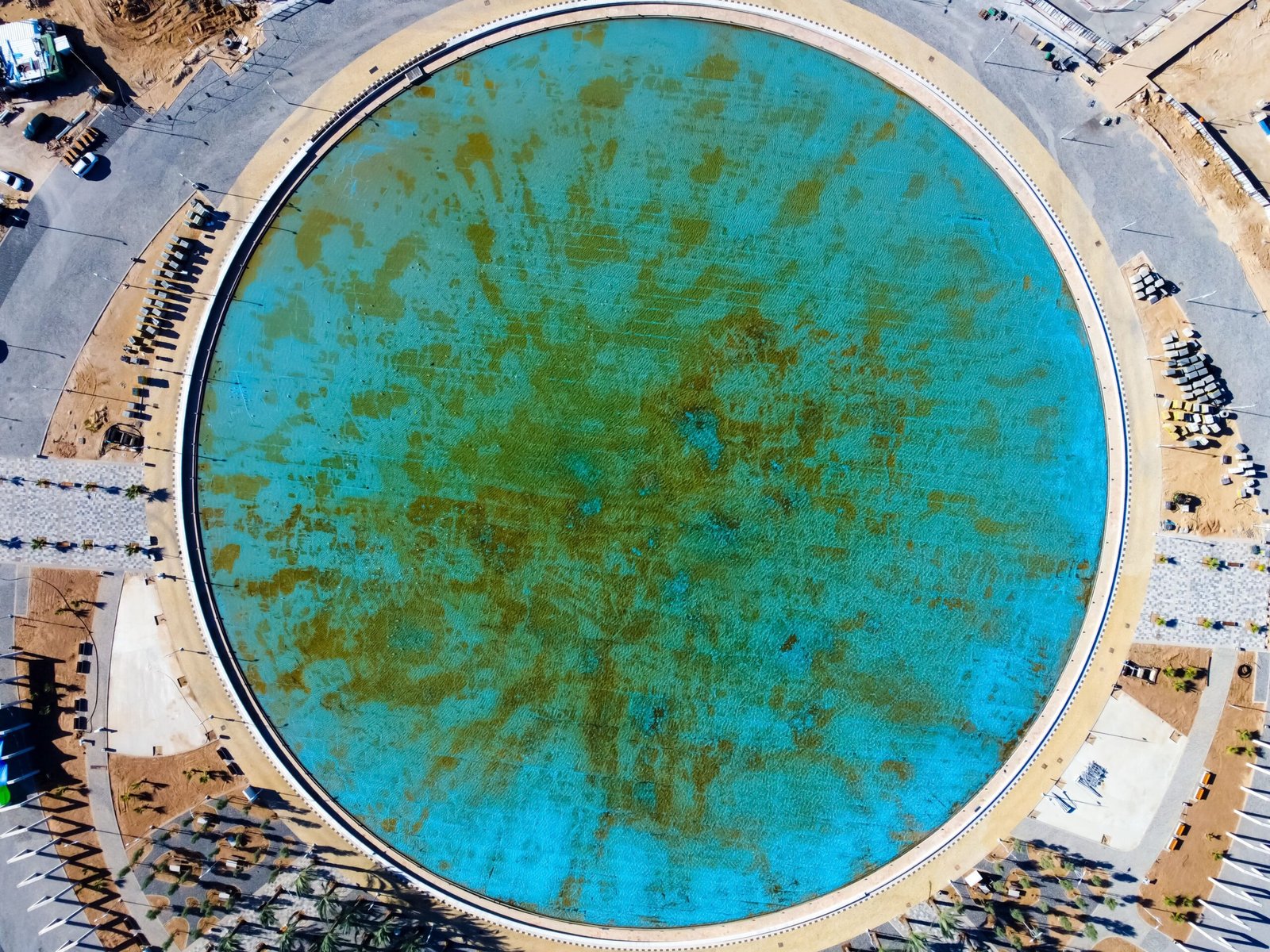
The word cirquoise may appear in online searches, product descriptions, social media posts, or conversations about colors and gemstones. If you have come across this spelling, you may be wondering whether it refers to a particular color, a gemstone, a brand, or simply a misspelling of another word. Understanding the context is the best way to find the right answer.
In standard English, the recognized word that most closely resembles cirquoise is turquoise. Turquoise refers both to a blue-green color and to a naturally occurring mineral used in jewelry and decorative objects. Major English dictionaries recognize turquoise as the conventional spelling for these meanings. <Cite refs={[“turn402456search1″,”turn402456search3”]}/>
Cirquoise may therefore be an alternative spelling used informally, a typo, a username, or a name chosen for a specific product or business. Without more context, it would not be accurate to assign it a separate, established dictionary meaning. If you encountered it on a website or in a product listing, the surrounding information can help establish what the writer intended.
This guide explains the possible meaning of cirquoise, its relationship to turquoise, the characteristics of the blue-green shade, the gemstone’s uses, and how to evaluate turquoise jewelry. It also covers common spelling questions and practical tips for finding reliable information online.
What Does Cirquoise Mean?
The meaning of cirquoise depends on where you saw the word. In ordinary English, it is not the standard spelling of the familiar blue-green color or gemstone. If the word appears in a sentence about jewelry, mineral specimens, paint, clothing, or interior design, the writer may have intended to write turquoise.
For example, someone searching for “cirquoise earrings” might actually be looking for earrings made with turquoise stones or earrings finished in a blue-green color. Similarly, a person searching for “cirquoise paint” may be trying to find a particular shade of turquoise for a wall, craft project, or piece of furniture.
However, context matters. A word that resembles a dictionary term can also be a deliberately chosen brand name, product label, online handle, or fictional name. If Cirquoise appears with a logo, company description, product catalog, or social media profile, it may refer to that specific identity rather than to the gemstone.
Here are a few ways to interpret the term:
- A possible spelling error: The writer may have intended to type turquoise.
- A search variation: Someone may use cirquoise while trying to find information about the color or gemstone.
- A proper name: A business, creator, product, or online account may use the word as a distinctive name.
- A creative spelling: An artist or designer may intentionally use a nonstandard spelling for branding or a creative project.
It is important not to assume that every result for cirquoise has the same meaning. Search engines may return pages containing similar words, unrelated names, or automatically generated text. Check the page title, website address, description, and actual content before deciding whether a result answers your question.
If you want the conventional color or gemstone, searching for turquoise will generally produce clearer results. If you are looking for a particular brand or website called Cirquoise, adding a related term such as its product category or the platform where you found it can help narrow the search.
Cirquoise vs. Turquoise: Understanding the Difference
The most useful distinction is between an unverified spelling and a recognized English word. Turquoise is established in dictionaries, mineral references, and jewelry terminology. Cirquoise does not have the same standard dictionary status in this context.
The Cambridge Dictionary defines turquoise as a bluish-green color and a blue-green semiprecious stone used in jewelry. Oxford’s learner dictionaries provide similar definitions, recognizing both the mineral and the color. <Cite refs={[“turn402456search1″,”turn402456search3”]}/>
| Feature | Cirquoise | Turquoise |
|---|---|---|
| Standard English spelling | Not standard for the color or mineral | Yes |
| Common color meaning | Depends on context | Blue-green or greenish-blue |
| Gemstone meaning | Not established by the spelling alone | A recognized mineral used as a gemstone |
| Possible use as a name | Could be a brand or creative name | Also used in names and descriptions |
| Best search approach | Add context or check the original source | Use for the recognized color or gemstone |
This difference does not mean that a business or artist cannot use Cirquoise as a name. Proper names can use unusual spellings, and the spelling alone cannot prove whether a particular website or company is legitimate.
If you are checking a product listing, pay attention to what the seller is actually offering. A description might use a nonstandard term while the product itself is a painted object, a synthetic stone, a piece of dyed material, or genuine turquoise. The material should be identified clearly rather than inferred from the name alone.
For writers and website owners, using the conventional spelling turquoise is generally best when the subject is the color or mineral. It helps readers understand the topic and makes the text easier to find through ordinary searches. If cirquoise is the exact name of a business or product, retain that spelling when referring to the name itself.
What Is Turquoise and Why Is It Popular?
Turquoise is a blue-to-green mineral that has been valued for its appearance and used in jewelry and decorative items for centuries. Its color can range from a light, sky-blue shade to a deeper blue-green or greenish tone. The exact appearance varies according to the stone’s composition, structure, and the conditions in which it formed.
The mineral is composed primarily of hydrated copper and aluminum phosphate. Copper contributes to its familiar blue coloration, while variations in composition can influence the appearance of individual specimens. Turquoise is usually opaque rather than transparent, so jewelers commonly polish it into smooth shapes instead of cutting it like a transparent faceted gemstone. <Cite refs={[“turn402456search0″,”turn402456search25”]}/>
One reason turquoise remains popular is its distinctive color. It stands out against silver, gold, leather, neutral fabrics, and natural materials. A small turquoise pendant can add a noticeable accent to a simple outfit, while larger stones can become the main visual feature of a ring, bracelet, or necklace.
Turquoise is also used in decorative objects, beads, inlay work, and artistic pieces. Its appearance can complement traditional designs as well as contemporary jewelry. However, the meaning and cultural significance of turquoise differ across communities and traditions. When buying or discussing culturally significant jewelry, it is worth learning about the artist, source, and traditions behind the piece rather than treating all turquoise designs as interchangeable.
The stone’s popularity also means that shoppers encounter a wide range of products described as turquoise. Some contain natural turquoise, while others use stabilized material, composite products, dyed stones, or manufactured imitations. These products can look similar in photographs, making clear labeling important.
A trustworthy seller should explain the material used, disclose relevant treatments, and avoid making unsupported claims about rarity or origin. If the purchase is expensive, independent gemological advice may be worthwhile.
For someone who encountered the spelling cirquoise while researching a gemstone, understanding the standard term is a useful first step. It opens the door to more reliable information about the mineral, its appearance, and the differences between genuine and imitation materials.
How the Turquoise Color Is Used in Fashion and Design
Turquoise is more than the name of a gemstone. It is also a familiar color used in clothing, graphic design, home decoration, accessories, and digital artwork. The shade sits between blue and green, although individual turquoise colors can lean more heavily toward either side.
In fashion, turquoise can create a bright accent without looking exactly like a primary blue or a strong green. A turquoise scarf, handbag, necklace, or shirt can bring color to an outfit made up of black, white, beige, navy, or denim. More subdued turquoise shades can work well with earth tones, while brighter versions make a stronger visual statement.
Jewelry designers often pair turquoise-colored materials with silver-colored settings, warm metals, beads, and natural textures. The effect depends on the shade and the material. A genuine stone may have natural variations or a matrix pattern, while a manufactured imitation may have a more uniform appearance.
Interior designers use turquoise in several ways. A pale blue-green can create a fresh appearance in a bathroom, bedroom, or coastal-inspired living space. A deeper shade can be used for cushions, ceramics, accent walls, or decorative objects. Because turquoise can be visually prominent, it often works well when balanced with neutral surfaces and natural textures.
In digital design, turquoise is used for buttons, backgrounds, icons, illustrations, and branding. Its precise appearance depends on the color code, display settings, lighting, and surrounding colors. Two items described as turquoise may look noticeably different because the word covers a range of blue-green shades rather than one universal color.
When selecting paint or digital colors, compare actual samples rather than relying solely on a name. A color may appear greener or bluer depending on the lighting and nearby materials. For websites, check contrast between text and background so that content remains easy to read.
The same advice applies when shopping online. A product photographed under studio lighting may look different in natural daylight. Read the product description, check customer photographs where available, and review the seller’s return policy if the precise shade is important.
If cirquoise appears in a design brief, ask whether it refers to a specific brand color or whether turquoise was intended. This simple clarification can prevent inconsistent colors across printed materials, websites, packaging, and products.
How to Identify Genuine Turquoise Jewelry
Anyone researching cirquoise because of a jewelry listing should pay attention to the actual material rather than relying only on the product name. Genuine turquoise is a natural mineral, but it can be treated or combined with other materials before it is sold. Treatment does not automatically make a stone worthless, but the treatment should be represented honestly.
One common method is stabilization. Turquoise can be relatively porous, and some material is treated with a clear substance to improve durability and make its appearance more consistent. Other products may contain reconstituted turquoise, dyed minerals, or imitation materials designed to resemble the natural stone.
Visual inspection can provide clues, but appearance alone cannot conclusively identify a gemstone. Natural stones can vary widely, and skilled manufacturers can produce convincing imitations. Avoid assuming that a bright blue color, a dark matrix pattern, or a particular price proves authenticity.
Use the following checklist when evaluating a purchase:
- Read the material description. Look for clear wording that identifies whether the item contains natural turquoise, stabilized turquoise, composite material, or an imitation.
- Ask about treatments. If the seller does not explain whether the stone has been treated, request clarification before purchasing.
- Check the seller’s reputation. Review return policies, business information, customer feedback, and whether the seller provides realistic descriptions.
- Be cautious with extraordinary claims. Statements about exceptional rarity, exact origin, or investment value should be supported by appropriate evidence.
- Request documentation when justified. For a high-value item, consider an independent assessment from a qualified gemologist or gemological laboratory.
- Compare prices carefully. A very low price does not automatically mean a product is fake, but it should encourage you to check what material is actually being sold.
Turquoise is not as hard as some popular transparent gemstones, so jewelry containing it needs sensible care. Avoid harsh household chemicals, prolonged exposure to heat, and abrasive cleaning methods. Perfume, cosmetics, and cleaning products can affect some treatments or settings, so follow the care guidance provided by the jeweler.
For routine cleaning, a soft, slightly damp cloth is often a sensible starting point. Do not assume that ultrasonic cleaners, steam cleaners, or strong chemical solutions are suitable. If the piece is valuable or its treatment is unknown, ask a jeweler how to clean it safely.
These precautions help protect the jewelry and make the purchase more informed. They also demonstrate why accurate terminology matters: a listing that says turquoise should explain the product clearly enough for buyers to understand what they are receiving.
How to Search for Cirquoise Online Safely
When a word is unfamiliar, search engines can return a mixture of relevant information, spelling variations, product pages, and unrelated results. Searching for cirquoise is no different. A useful strategy is to combine the term with the context in which you encountered it.
If you saw the word on a jewelry website, search for the exact name alongside terms such as jewelry, necklace, gemstone, or shop. If it appeared on social media, check the profile name, account description, and original post. If it appeared in a message or document, review the surrounding sentence to determine whether it was intended as a color, material, or proper name.
You can also compare the spelling with authoritative dictionaries. The Cambridge Dictionary and Oxford Learner’s Dictionaries list turquoise as the standard term for the color and gemstone. <Cite refs={[“turn402456search1″,”turn402456search3”]}/>
When searching for a business or website, do not assume that a familiar-looking name guarantees authenticity. Check that the website address matches the intended organization, look for consistent contact information, and read the site’s privacy and refund policies before submitting personal details or making a payment.
Be particularly careful if a page promises an unusually valuable gemstone at an implausibly low price, requests payment through an unfamiliar method, or uses copied photographs without describing the actual product. Search for independent reviews and verify the seller’s identity where possible.
If you are researching a name rather than a dictionary word, remember that search results may be incomplete. A small business or new online project may not have much independent information available. The absence of search results does not prove that it is fraudulent, just as a polished website does not prove that it is trustworthy.
For content creators and website owners, it is useful to distinguish between a common spelling mistake and a legitimate proper name. If cirquoise is the exact name of a product, explain that clearly. If the subject is the established color or mineral, use turquoise so readers receive accurate information.
A thoughtful search process helps you avoid confusion and find sources that answer the question you actually have.
Frequently Asked Questions About Cirquoise
Is cirquoise a real word?
Cirquoise is not the standard English spelling for the familiar blue-green color or gemstone. It may be used as a proper name, a creative spelling, or a typo. The surrounding context is necessary to determine the intended meaning.
Is cirquoise the same as turquoise?
If the term appears in a description of a blue-green color or gemstone, the writer may have intended turquoise. However, if Cirquoise is a business, product, or account name, its meaning depends on that specific identity.
What color is turquoise?
Turquoise is a blue-green color that can range from pale and light to rich and vivid. Some shades look more blue, while others have a stronger green component.
Is turquoise a gemstone?
Yes. Turquoise is a naturally occurring mineral used as a gemstone in jewelry and decorative objects. It is generally opaque and is often polished into smooth shapes for rings, pendants, beads, and other designs.
How do you spell turquoise correctly?
The standard spelling is T-U-R-Q-U-O-I-S-E. If you are writing about the color or mineral, turquoise is the conventional English spelling.
How can I tell if turquoise jewelry is genuine?
Start by checking the seller’s material description and asking about treatments. Appearance alone is not enough to prove authenticity. For expensive purchases, consider obtaining an independent assessment from a qualified gemologist.
Can turquoise be used in interior design?
Yes. Turquoise can be used for paint, cushions, ceramics, decorative accents, and other home furnishings. Compare physical samples under the lighting of the room because turquoise shades can vary considerably.
Why do people search for cirquoise instead of turquoise?
Possible reasons include a typing mistake, unfamiliarity with the spelling, a name used by a business or creator, or a product label. The specific reason cannot be established without knowing where the word appeared.
Final Thoughts
Cirquoise is a term worth checking in context because it may be a spelling variation, a typing error, or a specific name. If you are looking for the established blue-green color or the mineral used in jewelry, turquoise is the standard English spelling.
Understanding the difference can make it easier to find reliable definitions, compare products, and avoid confusion when reading online descriptions. If the word appears as the name of a particular business, website, or product, investigate that source directly instead of assuming it refers to the gemstone.
Whether you are exploring color choices, shopping for jewelry, or researching an unfamiliar term, focus on clear descriptions and trustworthy sources. Accurate spelling is a useful starting point, but context and evidence are what ultimately help you find the right answer.