
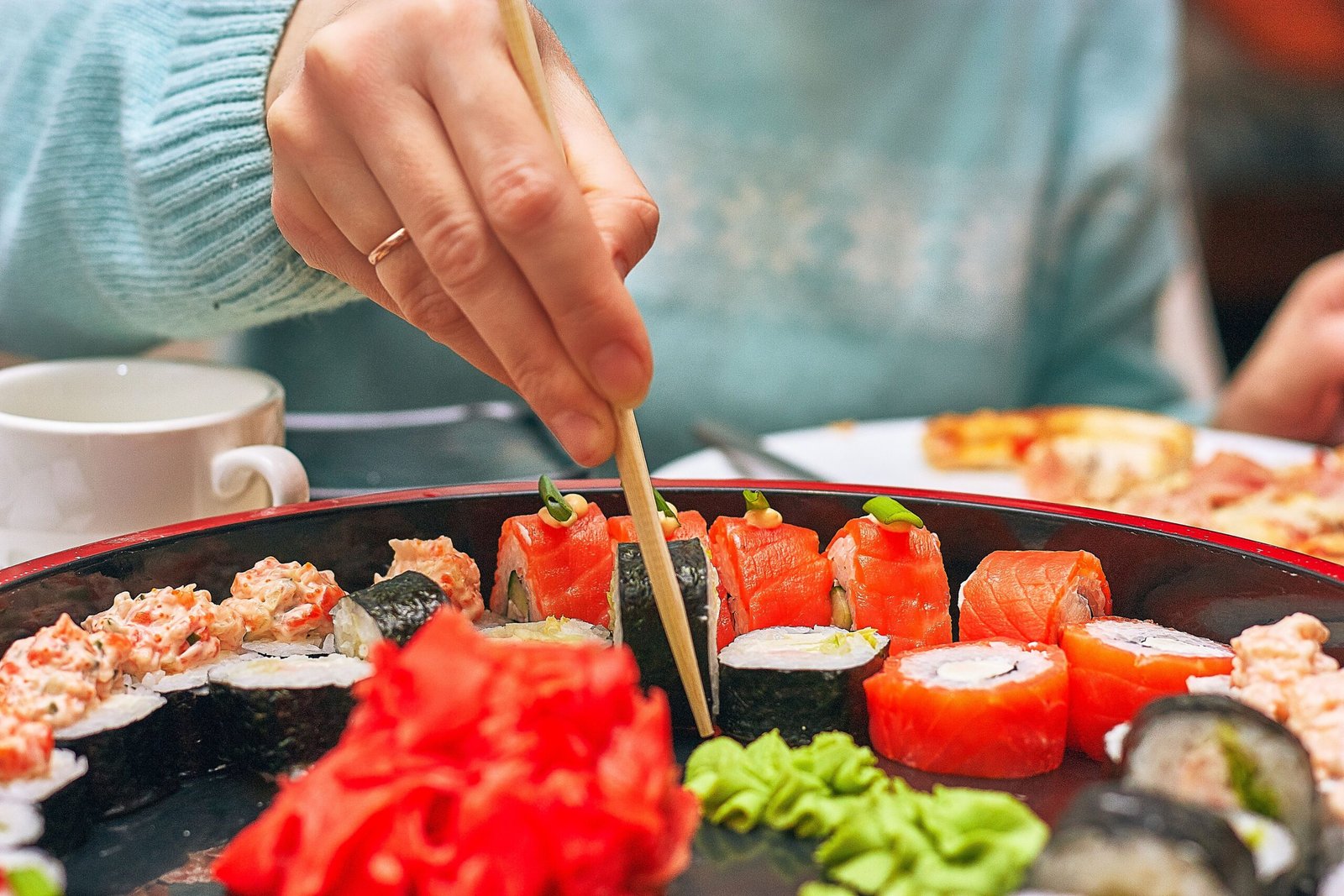
If you love sushi and want to sample several different rolls, nigiri, sashimi, and Japanese-inspired dishes in one meal, all you can eat sushi can be an appealing option. Instead of paying separately for every plate, an all-you-can-eat restaurant typically charges a fixed price and allows diners to order from a designated menu or buffet within certain rules.
The experience can be very different from ordering sushi à la carte. Some restaurants use traditional buffets, while others let guests order unlimited items from a menu that are prepared fresh. Understanding how the system works can help you choose the right restaurant, avoid unexpected charges, and make the most of your meal.
What Is All You Can Eat Sushi?
All you can eat sushi is a restaurant dining format where customers pay a set price for access to a selection of sushi and other menu items for a specified period or meal period. Depending on the restaurant, food may be available from a buffet, conveyor belt, or made-to-order menu.
The exact selection varies widely. One restaurant might focus heavily on classic rolls and nigiri, while another may offer sashimi, appetizers, noodles, rice dishes, tempura, desserts, and cooked seafood.
Many modern restaurants use a made-to-order system. Instead of taking prepared sushi from a buffet, customers choose items from a menu and place an order. The kitchen then prepares the food and brings it to the table. This approach can provide fresher presentation and greater variety.
The phrase “all you can eat” does not necessarily mean unlimited food without conditions. Restaurants commonly establish rules intended to reduce food waste and keep service manageable. There may be limits on how many items can be ordered during each round, charges for uneaten food, restrictions on takeout, or different prices for lunch and dinner.
Before ordering, it is worth checking the restaurant’s current policies. Two restaurants offering all you can eat sushi may have completely different pricing, menus, and rules.
How All You Can Eat Sushi Usually Works
The basic process is straightforward, but details depend on the restaurant.
When you arrive, the restaurant may provide an all-you-can-eat menu or explain whether the experience is buffet-style or made-to-order. You then pay a fixed price, either before eating or as part of your final bill.
At a made-to-order restaurant, you select sushi and other dishes from the available menu. Some restaurants allow multiple rounds, while others allow a certain number of pieces or dishes per order. Your server may bring each round before you place another order.
A typical meal might include:
- Classic sushi rolls
- Specialty rolls
- Nigiri
- Sashimi
- Hand rolls
- Cooked seafood
- Tempura
- Edamame
- Gyoza
- Miso soup
- Seaweed salad
- Rice dishes
- Noodles
- Desserts
Not every restaurant includes all of these items. Premium ingredients such as certain types of sashimi, specialty seafood, or elaborate rolls may be excluded from the basic all-you-can-eat price or offered under a separate premium option.
Timing can also matter. Some restaurants have a dining-time limit, particularly during busy periods. If there is a stated time limit, understanding it before ordering can make the experience less stressful.
What Should You Order at All You Can Eat Sushi?
One of the biggest attractions of all you can eat sushi is variety. You can try several different styles without committing to a large number of individual menu purchases.
Start with items you already know you enjoy. Classic rolls such as California rolls, spicy tuna rolls, salmon rolls, shrimp tempura rolls, and avocado rolls can provide familiar flavors.
Then consider trying something different. Nigiri offers a simpler way to taste individual ingredients because it typically consists of seafood served over seasoned sushi rice. Sashimi removes the rice and focuses primarily on the seafood itself.
Specialty rolls can be fun when you want more elaborate combinations. These may contain multiple ingredients, sauces, tempura elements, avocado, spicy mayonnaise, or other toppings.
A balanced order might include a combination of:
- A familiar roll
- A salmon or tuna nigiri selection
- A specialty roll
- Sashimi if available
- One or two cooked dishes
- A light appetizer or soup
Ordering gradually is usually more practical than ordering a huge amount immediately. It lets you discover what you enjoy and reduces the possibility of leaving food behind.
If you are dining with a group, sharing different rolls can be an excellent way to experience more flavors. However, check whether the restaurant requires each person to participate in the all-you-can-eat option.
All You Can Eat Sushi vs. À La Carte
The main difference between all you can eat sushi and à la carte dining is the pricing structure.
With à la carte sushi, every item has its own price. You choose individual rolls, pieces of nigiri, sashimi portions, and other dishes. This can work well when you know exactly what you want or prefer a smaller meal.
With an all-you-can-eat format, you pay a fixed price and choose from eligible items within the restaurant’s rules.
| Feature | All You Can Eat | À La Carte |
|---|---|---|
| Pricing | Fixed meal price | Individual item prices |
| Variety | Often broad | Choose exactly what you want |
| Ordering | May involve rounds | Usually unlimited ordering |
| Portions | Often smaller portions | Depends on menu |
| Food waste rules | Often stricter | Usually standard restaurant policy |
| Best for | Trying many items | Focused orders |
Neither format is automatically right for every diner. Someone who wants two simple rolls may prefer à la carte ordering, while someone who wants to sample numerous dishes may find an all-you-can-eat format more convenient.
The menu is especially important. A lower-priced all-you-can-eat restaurant may offer a different selection from a premium restaurant with higher-priced seafood.
How to Get More Value Without Wasting Food
The appeal of all you can eat sushi can make it tempting to order as much as possible. However, the smartest approach is not simply maximizing the number of plates. It is choosing food you genuinely want to eat while avoiding unnecessary waste.
Start slowly. Sushi can be surprisingly filling because rice, sauces, tempura, and other ingredients add up quickly. Ordering a large number of heavy specialty rolls at the beginning can leave little room for other dishes.
If you want to try sashimi or nigiri, consider ordering those earlier. Their simpler preparation lets you appreciate the seafood without filling up on fried or heavily sauced items.
It can also help to divide your meal into stages.
First round: Try familiar sushi and a few new items.
Second round: Order your favorites and explore additional seafood.
Final round: Choose smaller portions or items you specifically enjoyed.
Avoid ordering food simply because it is included. If you do not think you will eat something, leave it off the order.
Many restaurants have food-waste policies. Some may charge additional fees when significant amounts of ordered food remain uneaten. The exact policy differs by restaurant, so check the menu or ask your server.
What Makes a Good All You Can Eat Sushi Restaurant?
Finding a good all you can eat sushi restaurant involves more than comparing prices. Menu quality, freshness, service, cleanliness, portion sizes, ordering rules, and restaurant policies can all affect the experience.
Start by examining the menu. Does it include the types of sushi you actually want? If you prefer sashimi, verify that sashimi is included rather than assuming it comes with every package.
Next, consider the restaurant’s ordering system. Made-to-order restaurants can offer a different experience from buffets. If you prefer freshly prepared sushi, a restaurant that prepares dishes after you order may be more appealing.
Cleanliness is also important in any restaurant, particularly one serving raw seafood. Look for appropriate food-handling practices and a clean dining environment.
Customer reviews can provide useful clues about consistency, but individual experiences can vary. Look for recurring comments about food quality, service, wait times, and restaurant policies rather than relying on a single review.
It is also worth checking current prices directly with the restaurant. Prices and menus can change, and online listings may not always reflect the latest information.
Tips for Your First All You Can Eat Sushi Visit
If this is your first time trying an all-you-can-eat sushi restaurant, a few simple habits can make the experience easier.
Read the rules first. Check whether there is a time limit, food-waste fee, ordering limit, or premium-item surcharge.
Do not rush. Sushi is filling, and eating too quickly can make it difficult to judge how much food you actually want.
Try smaller portions when possible. Smaller orders allow you to sample more items without creating unnecessary waste.
Balance cooked and raw dishes. If you enjoy both, alternating between sushi and cooked appetizers can make the meal more interesting.
Pay attention to rice-heavy rolls. Large specialty rolls can fill you up quickly.
Ask questions. Restaurant staff can explain unfamiliar ingredients, preparation styles, or menu restrictions.
Check dietary ingredients. If you have allergies or dietary restrictions, ask about sauces, marinades, imitation seafood, and cross-contact before ordering.
Share thoughtfully. If the restaurant permits sharing within a group, it can be an effective way to sample different rolls, but follow the restaurant’s specific policy.
Most importantly, treat the meal as a dining experience rather than a competition. The goal is to enjoy the food, explore new flavors, and leave satisfied.
Frequently Asked Questions About All You Can Eat Sushi
Is all you can eat sushi actually unlimited?
Usually, the concept means you can order eligible items within the restaurant’s stated rules. Restaurants may impose time limits, ordering limits, food-waste policies, or restrictions on premium menu items.
Is all you can eat sushi worth it?
That depends on how much variety you want and what the restaurant includes. Diners who want several different sushi dishes may find the fixed-price format convenient, while people who eat only a small amount may prefer à la carte ordering.
Can you get sashimi at all you can eat sushi restaurants?
Some restaurants include sashimi in their all-you-can-eat menu, while others do not. Some may offer sashimi only through a premium package. Always check the specific menu before ordering.
Can children eat at all you can eat sushi restaurants?
Many restaurants offer different prices or policies for children, but the rules vary. Check the restaurant’s current age requirements and pricing.
Does all you can eat sushi include drinks?
Not necessarily. Beverages are often priced separately, although policies vary between restaurants.
How much should you order?
Start with a moderate amount and order additional food after you know how hungry you are. This approach gives you more flexibility and can help prevent food waste.
Final Thoughts
All you can eat sushi offers a flexible way to explore different sushi styles under a fixed-price dining model. Depending on the restaurant, you may be able to enjoy rolls, nigiri, sashimi, appetizers, cooked dishes, and desserts during one meal.
The experience becomes much better when you understand the restaurant’s rules before ordering. Check what is included, ask about premium items, understand food-waste policies, and order gradually. Rather than focusing solely on how much food you can consume, focus on finding dishes you genuinely enjoy.
Whether you are an experienced sushi fan or trying Japanese cuisine for the first time, an all-you-can-eat format can give you an opportunity to explore a wider range of flavors. Compare menus, prices, policies, and customer experiences before choosing a restaurant, then take your time and enjoy the meal.